
Abstract image of blue smoke and swirling orange flames creating a mysterious fiery effect.

Boiler Refractory Repair & Maintenance
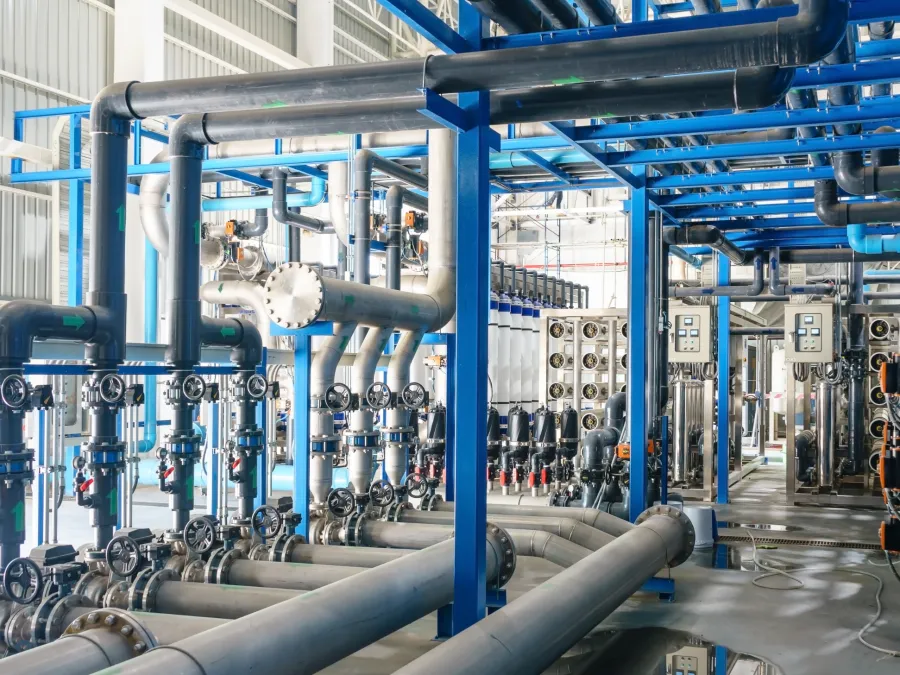
Industrial water treatment plant interior with pipes, valves, and filtration equipment under bright lighting.

What Refractory Does

Refractory for boilers plays an important role in protecting your system from extreme heat and helping it run safely and efficiently. It helps keep heat where it belongs, which can reduce fuel use, improve performance, and extend the life of key boiler components. If refractory is damaged or worn, it can lead to downtime, higher operating costs, and possible code issues. CCS provides expert support for boiler systems, helping industrial operations maintain reliable performance with quality work and fast response.

What Causes Refractory Damage?

Leaking Tubes 

Leaking boiler tubes are one of the most aggressive and fast-acting causes of refractory failure. When a tube begins to leak, water or steam is introduced into areas of the boiler that are designed to remain dry and at high temperature. This sudden exposure to moisture creates severe thermal stress within the refractory material.

Left uncorrected, tube leaks can result in significant refractory failure, reduced system efficiency, unplanned downtime, and costly repairs. For this reason, any indication of a leaking tube should be treated as a priority, with immediate inspection and repair to prevent widespread damage to both the refractory and the boiler system.

Improper Installation

Improper installation is another leading cause of premature refractory failure. Refractory materials must be installed according to strict manufacturer specifications, including correct thickness, anchoring methods, curing times, and dry-out procedures.

Ensuring proper installation from the start is critical to maximizing refractory lifespan, maintaining boiler efficiency, and avoiding unnecessary repairs or downtime.

Thermal Cycling

Thermal cycling is a common cause of refractory deterioration, especially in systems that experience frequent startups and shutdowns. Each time the boiler heats up and cools down, the refractory expands and contracts. Over time, this repeated movement creates internal stress within the material.

As thermal cycling continues, small cracks can grow into larger failures, allowing heat to escape and reducing the refractory's effectiveness. This not only impacts efficiency but can also expose the boiler shell to excessive temperatures, increasing the risk of long-term structural damage.

Signs of Failure

Cracks or Gaps in the Refractory

One of the first signs of refractory failure is visible cracking. When this happens, the heat that should stay inside the system can start damaging nearby metal parts. If you notice cracks, missing sections, or separation in the refractory, it is a sign the material may no longer be doing its job. This can lead to hot spots, reduced efficiency, and more wear on the boiler or furnace.

Hot Spots on the Outside of the Equipment

Another clear warning sign is a hot spot on the outer shell of the boiler or furnace. Refractory is meant to keep heat inside the system. A hot spot often means the refractory has thinned, broken down, or fallen away in that area pointing to significant internal damage. and should be taken seriously. They may also create a safety risk for workers nearby. If the outside of the equipment feels hotter than normal or shows discoloration, the refractory should be inspected right away.

Dust, Debris, or Loose Material Around the Area

Loose refractory material or debris around the base of the unit can also signal failure. This is often a sign that the material has aged, been exposed to repeated thermal stress, or suffered from poor installation. When refractory begins to shed material, it usually means the problem is getting worse. Left alone, it can lead to larger failures, reduced system performance, and expensive repairs. Regular inspections can help catch this issue before it becomes severe.

Repair Process

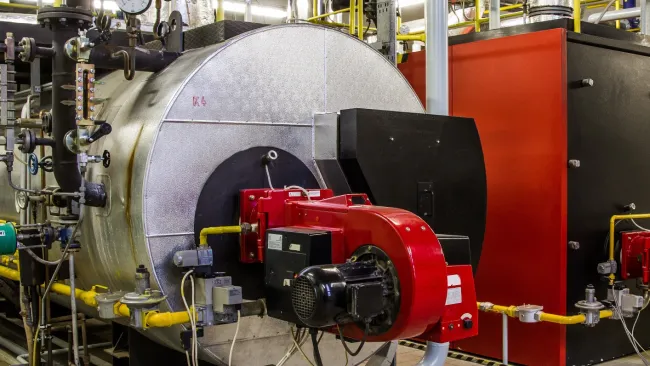
Industrial boiler system with red fuel burner, pressure gauges, pipes, and control valves in a factory setting

The first step in refractory repair is a full inspection. A trained technician looks for cracks, spalling, soft spots, missing sections, and signs of heat damage. This step helps determine how serious the problem is and what kind of repair is needed. Some damage may only need patching, while larger issues may require removing and replacing entire sections.

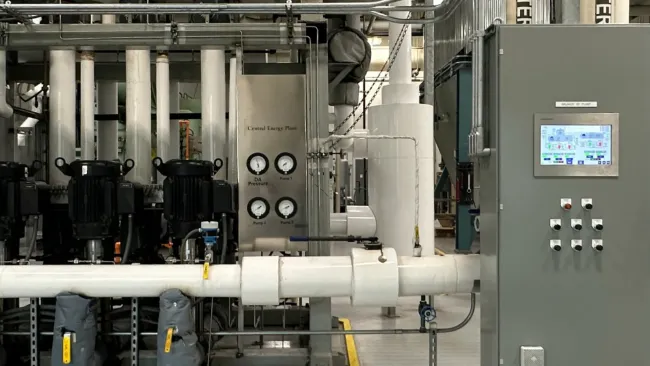
Industrial energy plant with control panels, pipes, gauges, pumps, and labeled feed water system indoors

Once the damage is identified, all loose and weak refractory material must be removed. This creates a solid base for the new repair. If damaged material is left behind, the new refractory may not bond properly and could fail early. The area is cleaned carefully so the repair can be made on a stable surface.

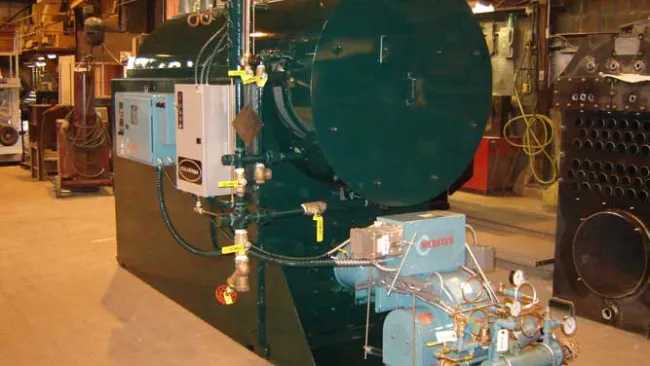
Industrial boiler system with control panel and gauges in a large factory setting.

After the area is cleaned, the new refractory material is mixed and applied according to the system's needs. This may include castable refractory, patching material, or other approved products. Proper installation is important because the material must handle high heat, pressure, and daily operation. Skilled application helps ensure a strong and lasting repair.

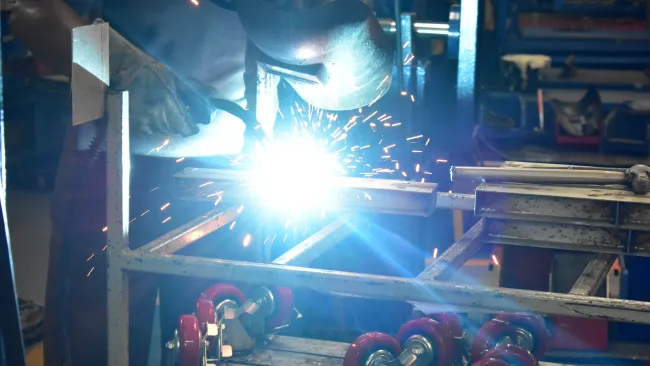
Worker wearing protective gear welding metal parts producing bright sparks in industrial workshop.

The final step is curing the refractory so it can harden correctly before the system returns to service. Curing time and temperature must be controlled to prevent cracking or early failure. After curing, the repair is checked to make sure it is secure and ready for operation. A proper verification step helps reduce the chance of future problems.

Blue background with three white curved vertical lines creating a stylized wave pattern.

Refractory damage doesn't improve on its own. Let CCS help.

Contact Your
Sales Engineer

Call CCS Today!

The CCS Family

Combustion & Control Solutions

Thermal Economy

Ace Power Solutions